Rappers, skaters and surfers: The OGs of streetwear before it went from underground to luxury
From oversized bomber jackets to floppy bucket hats and, of form, sneakers, streetwear is ascendant today. There is no escaping the influence of street mode in today's hottest trends, with just about everyone in-the-know flexing their latest cops (street slang for acquisitions) not only in real life but on Instagram and TikTok for all to admire.
Whether they are cult underground labels such as SBTG and Youths in Balaclava, pop brands including Stussy and Supreme, or fifty-fifty luxury marques like Louis Vuitton, many of today'due south almost acclaimed brands are those that showcase their deep-rooted awareness of the pulse of street culture.
With this boom in popularity, no wonder the streetwear industry is valued at over US$185 billion (S$250 billion), according to Pricewaterhousecoopers, or about 10 per cent of the entire global wearing apparel and footwear market.
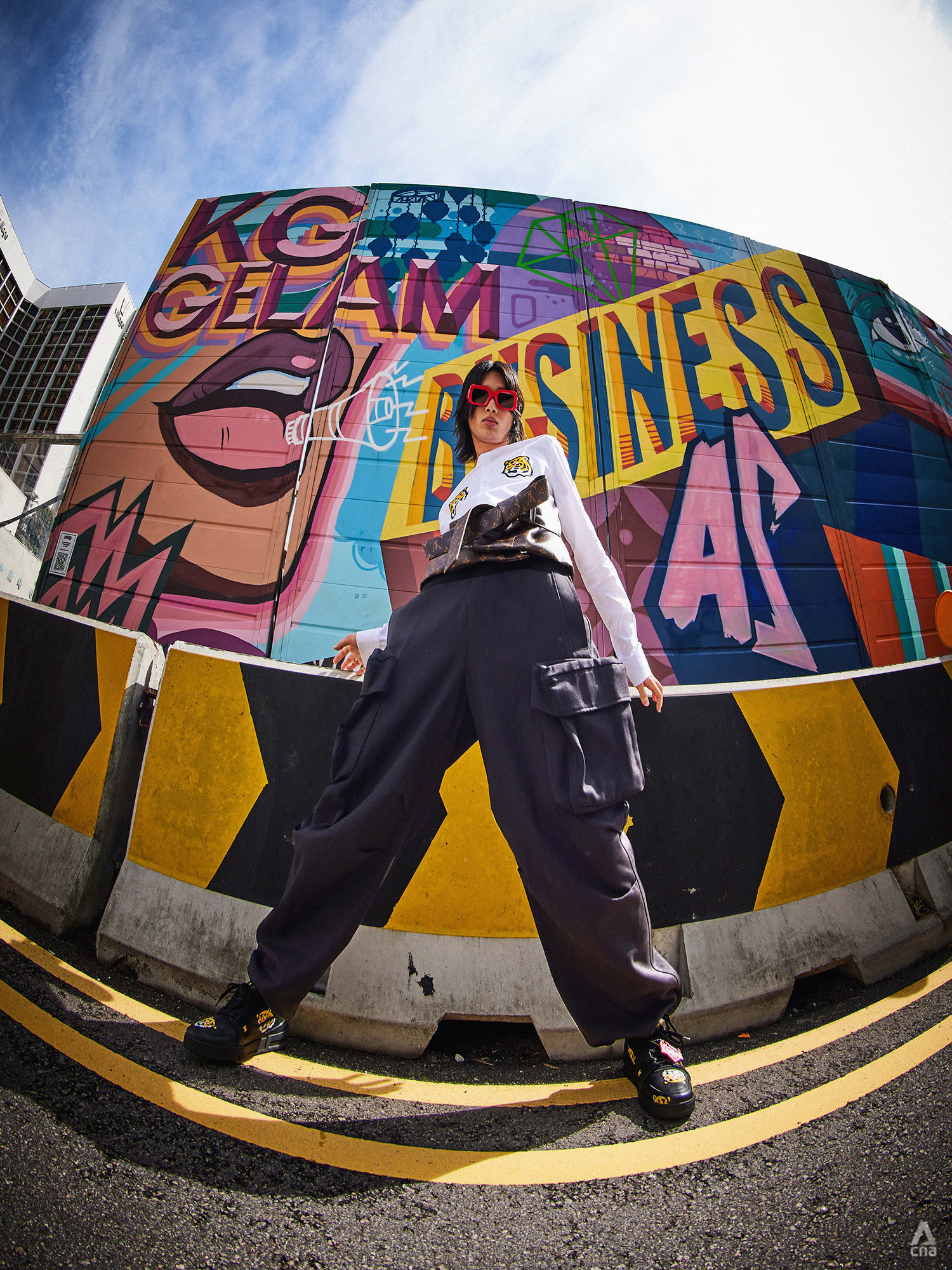
Just while street style is mainstream today, that was not always the case. In the 1980s and 90s, the hallmarks of what is usually regarded today as streetwear such equally graphic T-shirts, hoodies, baggy pants and hip shoes were once the "compatible" of then-counterculture communities such as street artists, rappers, skaters and surfers who were predominantly men.
In fact, during that time, the term "streetwear" was not even a thing, pointed out designer and artist Mark Ong. Amend known every bit Mr SBTG, Ong helms his own acclaimed sneaker and streetwear label SBTG, which is highly sought after by collectors globally.
The original concept of this style sub-genre came from the need for comfortable, easy fitting, affordable clothing with a lot of its character imbued past the wearers due to their music, fine art and cultural backgrounds. – Douglas Khee
Ong, who spent the days of his youth in the 90s as an avid skateboarder, recalled: "Skateboarders, musicians, artists or people in countercultures who did non want to dress up in workwear like shirts, suits and dress shoes had an alternate dress code comprising items that their subculture would vibe with."
For example, a skater'southward wearing apparel code would include basketball sneakers, baggy cut-off military pants, wallet chain, oversized T-shirts and a baseball game cap worn backwards, he said.
"Although this outfit is a common 'look' at present, it was in fact once upon a fourth dimension randomly assembled through a collective consciousness till information technology became a thing nosotros now call streetwear."
There was as well an chemical element of convenience to this aesthetic. "The original concept of this fashion sub-genre came from the need for comfortable, piece of cake fitting, affordable article of clothing with a lot of its character imbued by the wearers due to their music, art and cultural backgrounds," said Douglas Khee, co-founder of street culture festival Culture Cartel.

Some of the earliest designers to tap into this emerging aesthetic included James Jebbia of Supreme and Shawn Stussy of Stussy in the Usa. On the other side of the world, a group of Japanese designers also began to bring their own spin to street style in the 1980s.
Some of the most influential Japanese pioneers included Hiroshi Fujiwara, who is otherwise known as the godfather of the Ura-Harajuku (hidden Harajuku) movement, and Nigo, who started his highly coveted label A Bathing Ape during this era.
Nigo's primeval ventures, including label Good Enough and boutique Ready Made, transformed the Harajuku district into the epicentre of Japanese street style in the 90s. The bazaar Ready Made, in item, became i of the primeval to foster collaborations with other designers including Hush-hush and A Bathing Ape, all of whom were located in the same neighbourhood.
Interestingly, information technology was its whole 'keep it niche' and 'express edition' move that ultimately led to information technology becoming mainstream. – Douglas Khee
Fujiwara, who today helms the Fragment Designs characterization – a notable recent collab includes a well-received tie-upwardly with Moncler – went on to disrupt the fashion world with previously unheard of creative endeavours like the avant garde Nike HTM line.
A partnership with then-Nike CEO Mark Parker and sneaker designer Tinker Hatfield, this elevated classic designs similar the Air Force 1 and paved the mode for trainers to become the next large thing in fashion decades later.
"This made collaborations a large thing in the sneaker world and followed upwardly on this with other unprecedented partnerships with brands such as Louis Vuitton, Levi'southward – and even Pokemon and Starbucks," observed Khee.
Concurrently, Nigo was as well making a name for himself with partnerships with the absurd crowd from effectually the world, nigh notably Billionaire Boys Order, which he co-founded with musician and producer Pharrell Williams.
Past and so, streetwear had garnered a reputation not only for its loftier-quality production even though they were just "casual" vesture only also because they were made in express quantities and were released irregularly in "drops" that did not adhere to the style week schedule of Spring/Summer or Autumn/Winter collections. This meant fans had to be extremely clued-in to figure out when their desired merch would drib and many had no qualms waiting in line outside the store to score commencement dibs.
Past the early 2000s, it had go de rigueur for fans of streetwear to spend hours queuing upwardly outside pop stores like Supreme and sneaker shops to go their hands on what they wanted, leading to the start of the "hype" civilisation. Soon, the brand would go a juggernaut in its own right, leading to a global boom in street culture in major cities effectually the world.
"As much as Supreme is known as the cool and OG of early, underground New York skate culture, it is also the one that grew the (hype)beast," said Khee with a laugh. "Interestingly, it was its whole 'keep information technology niche' and 'express edition' motility that ultimately led to it becoming mainstream."
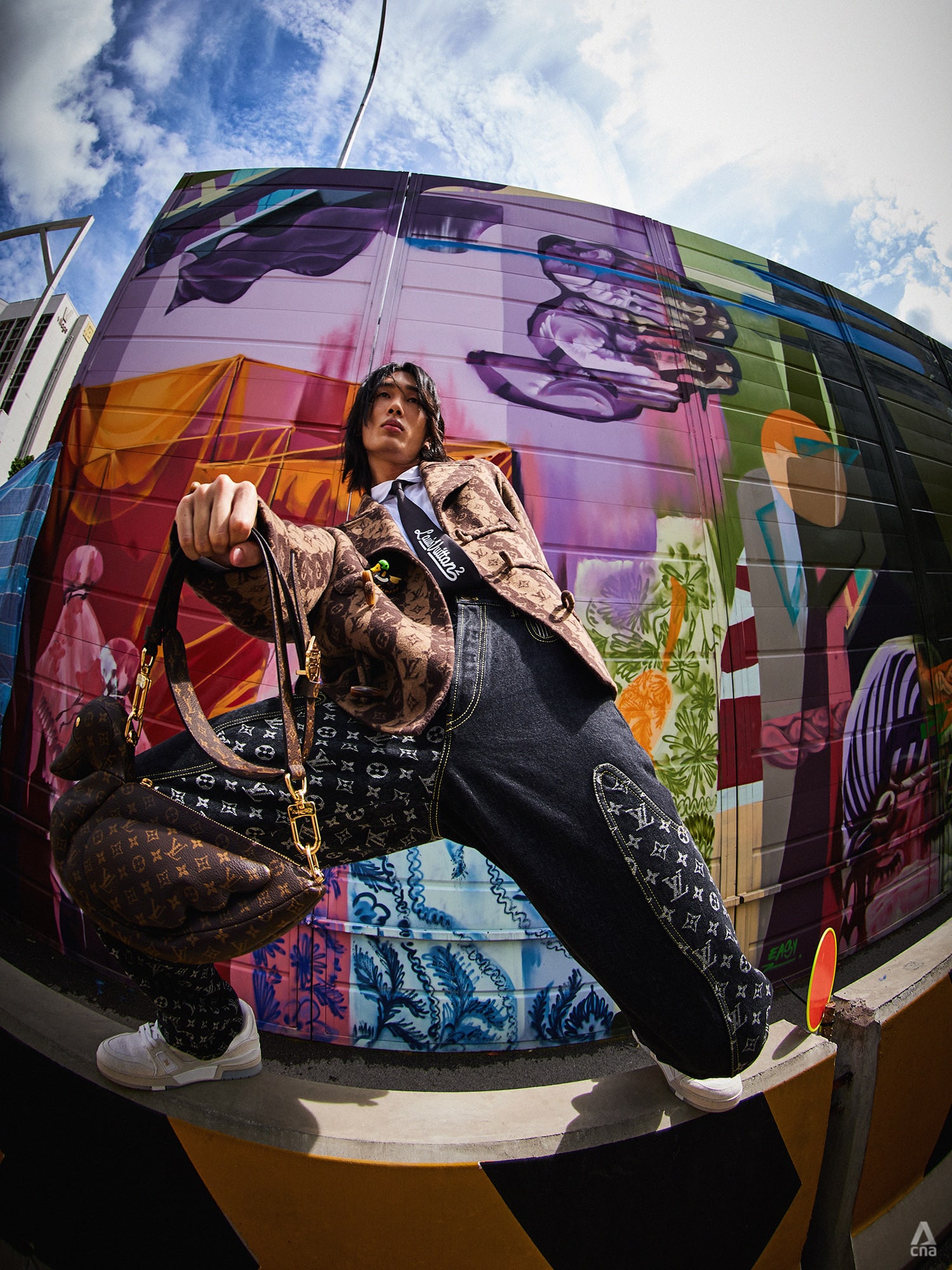
In 2017, in 1 of the most high-contour collabs in mode history, Louis Vuitton teamed upward with Supreme to launch a sold-out capsule collection. "The once-hush-hush vibe of streetwear brands probably reached a point of no return with this collaboration," observed Mandeep Chopra, founder and CEO of sneaker boutique Express Edt and streetwear shop Chamber.
"It marked a prototype shift where youth brands became the most coveted as they had a smashing bear on on streetwear. At present every major, global brand wants to acquaintance with streetwear and the youth."
In today'due south context, streetwear has evolved from a hardcore secret band to a Top forty pop band. – Mark Ong
Today's almost hyped brands like Off-white and Fear Of God straddle the line between streetwear and luxury comfortably while able-bodied brands including Nike, Adidas and The North Face are constantly churning out desirable drops that the young and young-at-heart cannot resist.
Hip-hop celebrities such as Kanye West, whose Yeezy sneakers take as well helped to bulldoze the streetwear frenzy, are among the most influential stylemeisters of this era.
Said Ong, "In today's context, streetwear has evolved from a hardcore underground band to a Top 40 pop band."
This motility has, in fact, widened streetwear'southward appeal so that more than people can relish some aspects of this culture that has over the years inspired so many to greater heights.
For instance, Virgil Abloh, founder and CEO of Off-White, scored the ultimate crossover gig when he became the creative director of Louis Vuitton's menswear collection in 2018.
"It was a defining moment in style history when the streets took over way dominance. Luxury brands bring a different dimension to streetwear and now fashion lovers become to feel how designers like Abloh express their streetwear ideas at an elevated level. I'm loving it," said Ong.

This year, for Pre-Leap 2022, Louis Vuitton launched its second LV2 drove, a creative conversation between Abloh and Nigo, who as well founded fashion characterization Human Made.
The duo, who are friends and continued by a shared passion for the streetwear subculture, rooted this sophomore collection in Nigo's multi-cultural background, which ranges from his Japanese heritage to the multi-faceted tapestry of his style career and the geo-specific lens of Western sartorialism equally information technology was adopted in Japan.
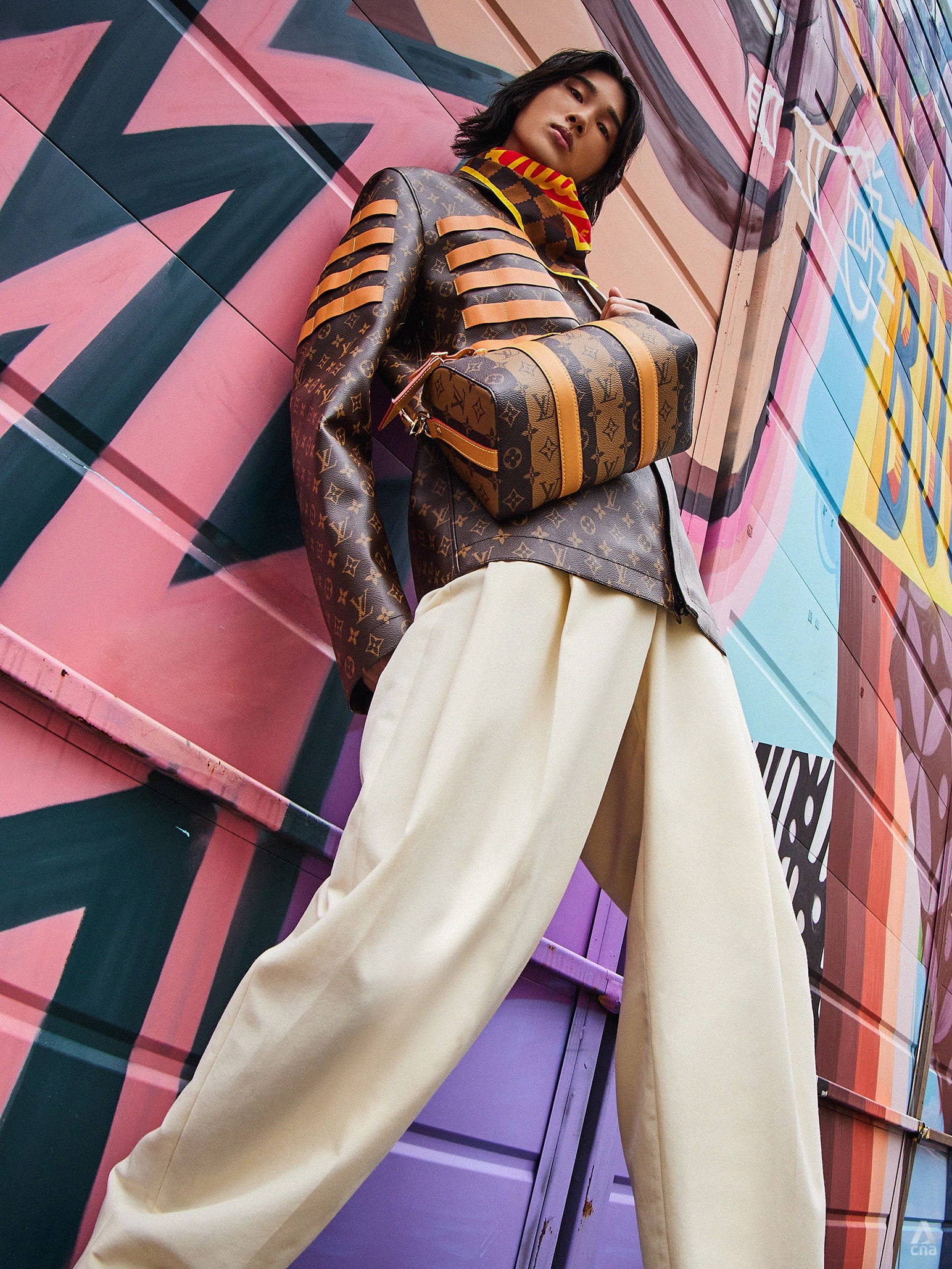
The consequence – a masterful collection of 50s and 60s tailoring with a Japanese sensibility such as a cropped rowing blazer emblazoned with the monogram stripes used on the lining of Louis Vuitton trunks, denim suits synthetic in monogram camouflage and a navy wool coat with an obi-like chugalug. Graphic details similar duck-shaped buttons, tiger heads and stripes and the ruby-red hearts oft seen in Nigo's Human being Made add a humorous touch to the collection.
Fifty-fifty classic Louis Vuitton numberless get a street-wise Nigo reinterpretation as seen in a cruiser bag with a pocket-size scarf knotting detail inspired by Furoshiki wrapping cloths and a playful crossbody monogram pocketbook shaped similar a duck.
In a way, with its "luxurification", we have achieved peak streetwear – consider this a form of accessible luxury that tin be appreciated by an audience far and wide.
"Luxury brands elevate the aspirational aspect of streetwear and it is refreshing to see this bloom," observed Chopra. "As the youth grow in spending ability, information technology makes sense for luxury to add an element of street from a business standpoint."
On the flipside, cult streetwear brands are also given a new lease of life with this exposure to a wider audience.
"With their bigger budgets and marketing campaigns, luxury brands can indirectly bring a new lease of life to street labels by introducing a new and fresh audition to these brands," observed Khee. "Today, the luxury crowd too knows their Air Jordans, Antipodal and Adidas, which were previously considered commonsensical brands."
Luxury brands elevate the aspirational aspect of streetwear and it is refreshing to see this bloom. – Mandeep Chopra
four pro tips to make streetwear piece of work for yous
Way stylist Joshua Cheung shares his secrets to hyping up your #ootds with the latest streetwear trends.
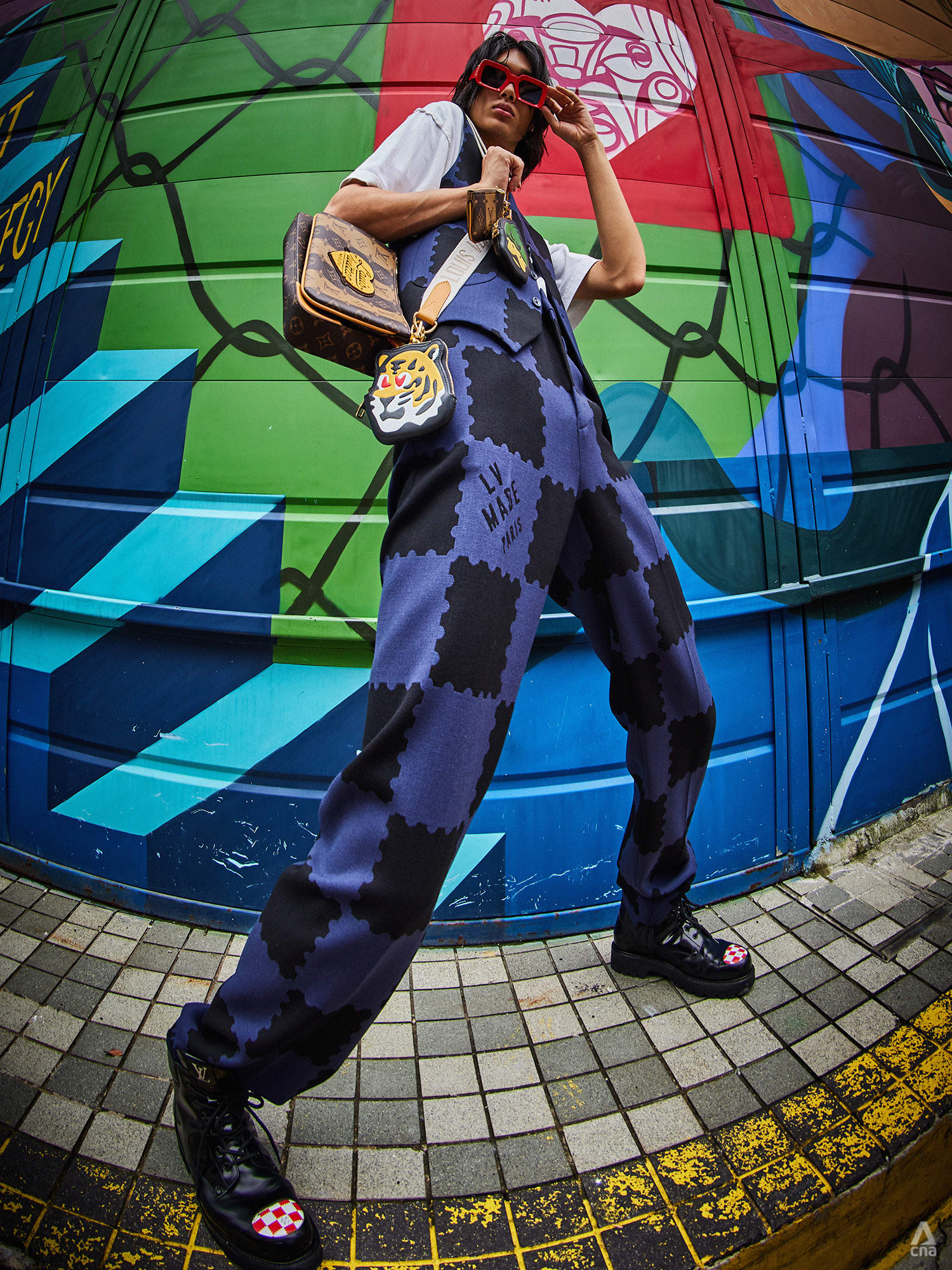
1. Mixing prints is an effortless manner to exude too cool for school vibes but pulling this off tin be tricky. Cheung has a corking hack to try. "Go alee and be adventurous – for example you can mix stripes with cover-up. Just remember to balance out the beautiful mess with a plain white shirt."
2. The Nigo x LV2 monogram ensemble is certainly eye-catching only for those who may find information technology overwhelming to wear this head-to-toe, pair either a monogram elevation or lesser with a contrasting solid-coloured separate. "This way, the monogram print will pop even more than," said Cheung.
iii. To become a street-casual vibe with a formal three-piece suit, lose the blazer and vesture just the matching belong and trousers. Cheung advised, "Pair this with an oversized T-shirt and sneakers to tone downwardly the formality of your suit."
4. For a Harry Styles-approved look, pair a military machine-inspired jacket with an unexpected silhouette, like wide-legged, loftier-waisted pleated trousers. After all, looser fits are i of the hallmarks of streetwear
(Photography: Aik Chen, a rt direction: Jasper Loh, f ashion stylist: Joshua Cheung, f ashion banana: Kelly Hsu, preparation: Kenneth Chia using Bobbi Brown and IGK Hair, model: Ding Wei/Mannequin)
0 Response to "Rappers, skaters and surfers: The OGs of streetwear before it went from underground to luxury"
Postar um comentário